
A Complete Guide to Setting Up Commercial Building Access Control Systems
 04 Sep 2026
Ensuring building security is essential for protecting people, assets, and daily operations. A well-designed commercial building access control system helps manage door access, monitor who enters and exits, and secure sensitive areas within a property. It can also help reduce security risks in busy workplaces.
Today, many businesses are looking for effective ways to protect employees, visitors, and property. As a result, entry control systems have become an important part of modern building security. They support safety objectives while helping businesses manage daily building operations more effectively.
What Is a Commercial Building Access Control System?
A commercial building access control system allows businesses to control who can enter a building or specific room. It establishes clear access rules for authorised users and helps restrict entry to protected areas.
Instead of relying on traditional metal keys, users can unlock doors with:
- Access cards
- Mobile phones
- PINs
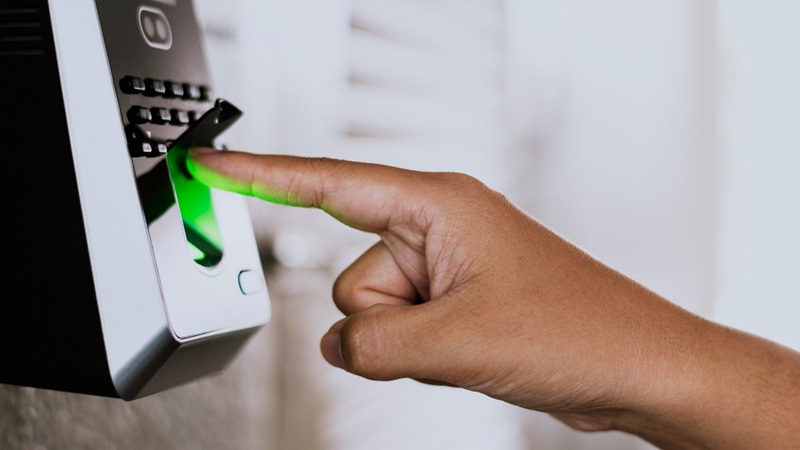
- Fingerprints
The system records who enter and leaves while preventing people without permission from accessing restricted areas. This approach strengthens security throughout the property.
Many businesses choose commercial building access control systems to protect important areas and simplify daily tasks. These solutions can improve monitoring while making access management more efficient.
Why Access Control Matters
Commercial buildings accommodate many people every day. Employees, visitors, contractors, and maintenance teams may move through different areas, creating various security requirements.
An access control system in Singapore helps businesses:
- Secure important rooms
- Protect valuable assets
- Monitor building activity
- Track who enters and leaves
- Support safety plans
As a result, building owners gain greater control over their properties. They can manage access more efficiently and maintain security with greater confidence.
Main Components of an Access Control Setup
Several components work together to create an effective access control setup. Each part performs an important role in managing and securing entry throughout the building.
Access Credentials
Credentials allow the system to identify users and determine whether they are authorised to enter specific areas.
These may include:
- Access cards
- Key fobs
- Mobile phones
- PIN codes
- Fingerprints
- Face scans
Each credential provides a different method of accessing doors. Some options may provide additional security for sensitive or restricted locations.
Door Readers
Door readers verify credentials before unlocking a door. They help confirm a user’s authorisation before granting access to the building or a restricted area.
Common readers include:
- Card readers
- Mobile readers
- Fingerprint readers
- Face recognition readers
These devices serve as checkpoints at entry points, helping prevent unauthorised individuals from accessing restricted areas.
Control Panels
Control panels coordinate the different devices within the building’s security network. They receive information from door readers and determine whether access should be granted.
By connecting the various components, control panels help maintain secure and controlled entry throughout the property.
Management Software
Management software allows administrators to:
- Add users
- Remove users
- Set access rules
- Review reports
- Monitor activity
Many businesses now choose cloud-based software because it allows administrators to manage security from different locations. It can also help security teams respond more quickly to access events.
Types of Access Control Systems
Different buildings require different security solutions. Each property has its own access requirements, risks, and operational challenges.
Role-Based Access Control
This system assigns access permissions according to a person’s role within an organisation. It helps businesses organise permissions clearly and efficiently.
For example:
- Managers enter more areas.
- Staff enter designated work zones.
- Contractors enter selected spaces.
This approach keeps permissions organised, reduces confusion, and improves overall security.
Mobile Access Control
Mobile access allows users to unlock doors with their smartphones, reducing the need for physical credentials.
Benefits include:
- Less reliance on access cards
- Touch-free entry
- Quick updates
- Easy use
Many modern buildings are adopting mobile access because it provides convenience while creating a smoother user experience.
Biometric Access Control
Biometric systems identify users through unique physical characteristics.
Examples include:
- Fingerprints
- Face recognition
- Eye scans
These systems can strengthen security because biometric characteristics are difficult to share or transfer. This can make unauthorized entry more difficult.
Cloud-Based Access Control
Cloud systems allow administrators to manage security from multiple locations through internet-connected platforms.
Benefits include:
- Remote control
- Easy updates
- Greater flexibility
- Simple scalability
Because of these advantages, many businesses favour cloud solutions. They can support business growth without requiring major infrastructure changes in the future.
Steps to Set Up an Access Control System
A successful setup begins with careful planning. Thorough preparation can help prevent problems during implementation and ensure the system meets the building’s security requirements.
Step 1: Assess Security Needs
First, evaluate:
- Doors
- Entry points
- Sensitive areas
- Visitor numbers
- Security risks
This assessment provides a foundation for the overall plan. It helps identify security objectives before installation begins.
Step 2: Establish Access Rules
Next, determine who should be allowed to enter each area. Clear permissions help maintain consistent security throughout the property.
Examples include:
- Employees
- Managers
- Visitors
- Contractors
- Maintenance teams
Clearly defined access rules reduce confusion and help minimise security risks.
Step 3: Select the Right Technology
Choose technologies that match the building’s requirements. The right combination of tools can improve efficiency, security, and long-term performance.
Options include:
- Card access
- Mobile access
- Biometric access
- Cloud management
- Visitor management
Selecting suitable technologies can strengthen security while making access administration easier for authorised personnel.
Step 4: Install the Equipment
Install readers, locks, and controllers in appropriate locations. Correct installation helps each component function effectively.
Proper placement can also improve system performance and provide greater convenience for people using the building every day.
Step 5: Configure the Software
Add users and establish access permissions based on the organisation’s requirements. Configure the settings to reflect the company’s security policies.
The software should support current security objectives while allowing room for future growth and expansion.
Step 6: Test the System
Test every component before putting the system into regular operation. Thorough testing can identify issues before they affect daily activities.
Make sure:
- Doors unlock correctly
- Users can access the appropriate areas
- Reports function properly
- Safety procedures operate as intended
Testing helps ensure smooth operation and improves system reliability during normal business activities.
Managing Visitors
Visitors enter commercial buildings every day, so businesses need clear procedures for managing visitor access.
Modern visitor management tools can:
- Register visitors
- Create digital passes
- Track arrivals
- Record departures
These features can strengthen security while creating a more convenient visitor experience. They also improve record-keeping and provide businesses with better oversight of activity within the building.
Connecting Security Systems
Many companies connect Access Control Systems with other security technologies to create a more comprehensive security environment.
These may include:
- CCTV cameras
- Video systems
- Intercoms
- Alarm systems
When these technologies work together, security teams can gain a clearer view of activity throughout the building. Integration can also help them respond more quickly when security incidents occur.
Common Setup Challenges
Businesses may encounter various challenges when installing an access control system. The specific issues often depend on the building’s size, infrastructure, and security requirements.
Common issues include:
- Large buildings
- Many users
- Older equipment
- Changing security needs
- Heavy visitor traffic
Careful planning can help address these challenges. It can also support smoother installation and more reliable long-term performance.
Latest Trends in Access Control
Security technology continues to evolve with new developments shaping modern building security.
Several trends are influencing the future of Access Control Systems:
- Mobile access
- Touch-free entry
- Smart analytics
- Cloud technology
- Smart building connections
These innovations can help businesses protect people and property while improving convenience for users throughout their facilities.
Choosing the Right Security Partner in Singapore
When choosing a provider for an access control system in Singapore, businesses should consider experience, product reliability, technical expertise, and ongoing support. A trusted partner can help create a dependable solution that meets both current and future security requirements.
A reliable provider can assist with planning, installation, configuration, and maintenance. This support helps businesses achieve stronger security outcomes while ensuring the system continues to perform effectively.
Today, many organisations search for dependable entry control systems in Singapore solutions that support long-term security goals. They want systems that can adapt as their operational and security requirements change.
Conclusion
A well-planned access control setup protects people, safeguards property, and supports smooth building operations. Every component plays an important role, from credentials and readers to management software and security integrations. Businesses that plan carefully can create a safer and more efficient environment for everyone.
Efficient Systems provides professional security solutions for modern commercial buildings. The company offers expert guidance and dependable support to help organisations strengthen protection, improve efficiency, and implement effective security measures.
FAQs
Can access control systems work with CCTV?
Yes. Access control systems can integrate with CCTV cameras to strengthen security monitoring. This connection can help security teams investigate incidents more efficiently.
Are mobile credentials safe for building access?
Yes. Modern mobile credentials use security technologies designed to protect access rights. They can also reduce risks associated with lost or misplaced access cards.
Who uses commercial access control systems?
Offices, schools, hospitals, warehouses, and retail stores use these systems. Many organisations rely on them to manage access and support everyday security.
How often should an access control system be checked?
Regular inspections, maintenance, and software updates can help keep the system secure and reliable. They also support consistent long-term performance.