
HID Cards & HID Card Readers: How They Work and Why They Matter
 05 May 2026
Nowadays, security systems have become more advanced and essential than ever. Whether in offices, schools, or residential buildings, the need to control who can enter and when is growing fast. One of the most reliable ways to manage access is through an HID card reader system. These readers, paired with access cards, offer simple, efficient, and secure entry without needing old-school keys or manual checks.
Let’s walk through what HID cards and readers are, how they work, and why they’re used widely in places like offices, hospitals, and even residential buildings, especially in places with strong security needs, like door access systems.
What is an HID Card?
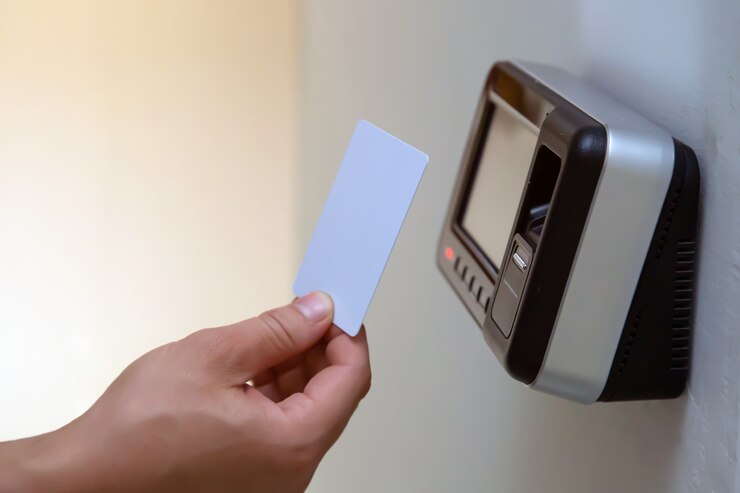
An HID card is a plastic card that contains a small chip and antenna. It’s used to control access by communicating with an access card reader. When a person holds the card close to the reader, the chip sends a signal that either allows or denies entry.
Unlike traditional cards that need to be swiped or inserted, HID cards work using contactless technology. That means you just need to hold the card near the reader, and the system does the rest.
These cards are often used for:
- Office buildings
- Government buildings
- Hospitals
- Educational institutions
Because the system is digital, if a card gets lost or stolen, you can deactivate it easily without having to change any locks.
How Does an HID Card Reader Work?
A HID card reader is a small device fixed near a door or entrance point. It’s connected to a control panel or software system. Here’s how it works step by step:
- Card Detection: When you bring your card close to the reader, it picks up the signal from the card.
- Data Transfer: The reader collects the card’s data and sends it to the control panel.
- Access Check: The system checks if the card’s data matches a valid entry in its database.
- Action: If it matches, the door unlocks. If not, it stays locked.
The whole process takes less than a second and needs no contact. This makes it cleaner, quicker, and less likely to wear out compared to traditional systems.
What are Proximity Cards?
HID cards are often a type of proximity card. These are simple cards that use low-frequency signals to work. They don’t have any power source inside. Instead, they rely on the energy given by the reader to send back a response. That’s why they’re called “passive” cards.
Proximity cards are a popular choice because:
- They’re easy to use
- They last a long time
- They work quickly
- They don’t require batteries
The range is usually short (a few inches), which improves security by stopping others from accessing the door unless they’re right next to it.
Why HID Access Control Systems Are a Smart Choice
Choosing an HID access control system gives you more than just a modern lock. These systems offer flexibility and control that traditional keys simply can’t match.
Benefits include:
- Easier Management: You can give or remove access to anyone, anytime. No need to collect keys or change locks.
- Detailed Tracking: Every time someone uses a card, the system can record it. This helps track who entered and when.
- Time-Based Access: You can allow access only during specific hours or days. For example, staff can enter during work hours only.
- Zone Control: Some people can access all areas, while others are limited to certain zones.
These features help keep buildings safe, while also making life easier for those managing them.
Where Are HID Readers Used Most?
HID readers are now part of daily life in many industries. Let’s look at where they’re used most and why.
1. Office Buildings
- Main entrances
- Meeting rooms
- Server rooms
- Restricted staff areas
Staff can move around easily while unauthorised visitors are kept out.
2. Hospitals and Clinics
- Medical storage rooms
- Operation theatres
- Staff-only zones
- Records and data storage
It’s important to protect both people and sensitive information in medical spaces.
3. Schools and Universities
- Classrooms
- Libraries
- Dormitories
- Labs
Only students and staff with permission can access key areas, keeping everyone safe.
4. Door Access Systems
HID card readers are the go-to security solution in Singapore. As the city is defined by high-rise offices and modern infrastructure, door access systems in Singapore are now a standard feature in most buildings.
They help:
- Prevent unwanted visitors
- Track staff movement
- Keep residential areas secure
- Manage access in large spaces easily
How HID Readers Improve Over Traditional Locks
Traditional locks have clear downsides — lost keys, copied keys, and no way to track who’s entering. HID readers fix all these issues.
Here’s how they’re better:
- No Physical Keys Needed: Cards are easy to carry and can be replaced quickly.
- Difficult to Copy: Unlike keys, HID cards are harder to duplicate.
- Quick Updates: You can update access rights in seconds through software.
- Better Security Logs: Every access attempt can be recorded.
These advantages are why businesses and property managers now prefer digital access systems over key-based ones.
Things to Consider When Setting Up an HID System
Before installing HID readers, it’s smart to think about a few key points to make sure the system fits your needs.
Card Type
- Will you use basic proximity cards, or go for smart cards with more features?
Reader Placement
- Make sure they’re placed at the right height and are easy to access.
- Use weatherproof models if they’re outside.
System Compatibility
- Check if the readers work with your current security setup or software.
Number of Users
- Large systems may need more complex software for tracking and control.
Visitor Access
- Will you give temporary cards to guests or delivery people?
Integration with Other Systems
HID systems don’t work alone. You can link them with:
- CCTV cameras
- Alarm systems
- Fire safety systems
- Time tracking and payroll systems
This creates a full security setup that’s easy to manage and harder to bypass.
HID Card Reader Trends
While HID cards are still the top choice, the future of access control is always changing. Many systems are now adding:
- Mobile phone access
- Biometric readers (like fingerprint or face ID)
- Smartcards with added features
That said, HID readers and cards still hold their place. They’re simple, cost-effective, and well-tested.
Even in advanced systems, HID access control remains the core part of entry systems due to its ease of use and reliability.
Why More Buildings Choose Door Access Systems in Singapore
With a growing number of high-rise offices and apartments, door access system solutions in Singapore are a crucial part of maintaining building security. People want easy entry, but also tight control over who gets in.
HID readers are a natural fit. They meet both needs without making access too complicated.
As rules around safety and data privacy grow stricter, systems that log who enters and exits are becoming more than just useful — they’re expected.
Final Thoughts
HID card readers are a smart and modern way to protect spaces. They combine speed, safety, and simplicity in one neat system. Paired with access card readers, these systems give property managers, business owners, and facility teams the tools to manage who goes where, all without the hassle of old keys.
With reliable performance and ease of use, they’ve become the standard in offices, schools, hospitals, and across cities like Singapore.
If you’re planning to upgrade your security setup or simply want a more flexible way to control entry, an HID access control system is a strong and proven choice.
Efficient Systems offers tailored access solutions for businesses of all sizes. With reliable support and industry-grade products, they help you build secure, seamless, and modern entry systems that work.